






Ключевые технические преимущества
-
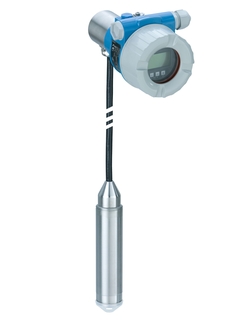
Упрощенная установка: использование подвесного зажима позволяет легко опускать датчик в водоем или колодец и закреплять его на любой высоте без необходимости сварки или резьбового соединения. Это делает его идеальным для модернизации или мониторинга открытых каналов.
-
Измерительная ячейка с защитой от конденсата: как и другие модели серии FMB, FMB53 оснащена герметичной измерительной ячейкой. Технология “Contite” предотвращает попадание влаги в корпус датчика, исключая риск смещения показаний или выхода из строя во влажных условиях или при наружной установке.
-
Измерение, не зависящее от поверхности: поскольку оно основано на принципе гидростатического давления, на показания FMB53 совершенно не влияют поверхностная пена, плавающий мусор или газовые слои. Это обеспечивает надежное измерение уровня в турбулентных или аэрированных жидкостях.
-
Гибкость выбора материала: Кабель доступен в исполнении из полиэтилена (PE) для стандартных применений в воде или из фторированного этиленпропилена (FEP) для сред, требующих более высокой химической стойкости и несколько более высокого температурного порога.
-
Безопасность и сертификация: Несмотря на простую конструкцию крепления, PMP53 — это устройство с высокой степенью надежности. Он разработан для систем безопасности уровня SIL2, имеет сертификаты, подтверждающие пригодность для использования с питьевой водой, и сертифицирован для предотвращения перелива WHG, что делает его пригодным для использования в опасных или регулируемых средах.
-
Модульная конструкция: электроника и дисплей отделены от сенсорной ячейки, что позволяет легко заменять или модернизировать компоненты на месте без демонтажа всей кабельной сборки.
Матрица технических характеристик
| Особенность | Подробности |
| Принцип измерения | Гидростатическое давление (в ячейке Conite) |
| Тип крепления | Кабель с подвесным зажимом |
| Диапазон измерения | 0,1–10 бар / 100 м вод. ст. (1,5–150 psi) |
| Точность | ±0,2% (стандарт) / ±0,1% (опционально) |
| Технологическая температура | -10 до +70°C (PE) / -10 до +80°C (FEP) |
| Рейтинг безопасности | Сертификаты SIL2 / WHG / для питьевой воды |
Основные приложения
-
Водохранилища и бассейны: Мониторинг уровня воды в крупных открытых муниципальных водохранилищах.
-
Насосные станции для сточных вод: контроль уровня в отстойниках и насосных станциях, где высока влажность и часто образуется пена.
-
Глубокие колодцы и скважины: измерение уровня грунтовых вод или понижения уровня воды в муниципальных или сельскохозяйственных колодцах.
-
Мониторинг открытых каналов: отслеживание уровня воды в водоотводных каналах или реках для сбора экологических данных.
-
Хранение химических веществ в открытых резервуарах: обеспечение надежного предотвращения переполнения в крупных промышленных бассейнах.