




المزايا التقنية الحاسمة
-
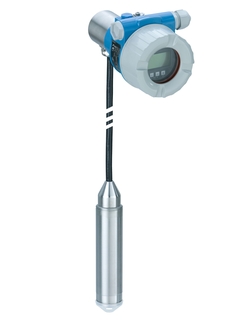
تركيب مبسط: يتيح استخدام مشبك التعليق إنزال المستشعر بسهولة في حوض أو بئر وتثبيته على أي ارتفاع دون الحاجة إلى منفذ ملحوم أو ملولب. وهذا يجعله مثاليًا لتطبيقات التحديث أو مراقبة القنوات المفتوحة.
-
خلية مقاومة للتكثيف: مثل أشقائها في سلسلة FMB، يتميز جهاز FMB53 بخلية قياس محكمة الإغلاق. تمنع تقنية "Contite" هذه دخول الرطوبة إلى غلاف المستشعر، مما يزيل خطر الانحراف أو الفشل في البيئات الرطبة أو التركيبات الخارجية.
-
القياس المستقل عن السطح: نظرًا لأنه يعتمد على مبدأ الضغط الهيدروستاتيكي، فإن جهاز FMB53 لا يتأثر تمامًا بالرغوة السطحية أو الحطام العائم أو طبقات الغاز. وهذا يضمن قراءة موثوقة للمستوى في السوائل المضطربة أو المهواة.
-
مرونة المواد: يتوفر الكابل بمادة البولي إيثيلين (PE) لتطبيقات المياه القياسية أو بمادة FEP (فلورو إيثيلين بروبيلين) للبيئات التي تتطلب مقاومة كيميائية أعلى وعتبة درجة حرارة أعلى قليلاً.
-
السلامة والموافقات: على الرغم من أسلوب تركيبه البسيط، فإن جهاز PMP53 هو جهاز عالي الجودة. تم تصميمه لأنظمة السلامة SIL2، ويحمل موافقات مياه الشرب، وهو معتمد لمنع التعبئة الزائدة لغازات الاحتراق، مما يجعله مناسبًا للبيئات الخطرة أو الخاضعة للتنظيم.
-
التصميم المعياري: يتم فصل الإلكترونيات والشاشة عن خلية الاستشعار، مما يسمح بسهولة الاستبدال أو الترقية في الموقع دون إزالة مجموعة الكابلات بأكملها من العملية.
مصفوفة الأداء الفني
| ميزة | تفاصيل |
| مبدأ القياس | هيدروستاتيكياً (خلية كونتيت) |
| نوع التركيب | كابل مع مشبك تعليق |
| نطاق القياس | من 0.1 إلى 10 بار / 100 متر ماء (من 1.5 إلى 150 رطل لكل بوصة مربعة) |
| دقة | ±0.2% (قياسي) / ±0.1% (اختياري) |
| درجة حرارة العملية | من -10 إلى +70 درجة مئوية (PE) / من -10 إلى +80 درجة مئوية (FEP) |
| تصنيف السلامة | SIL2 / WHG / الموافقة على مياه الشرب |
التطبيقات الأساسية
-
خزانات وأحواض المياه: مراقبة مستويات المياه في الخزانات البلدية الكبيرة المكشوفة.
-
محطات رفع مياه الصرف الصحي: التحكم في مستوى المياه في الأحواض ومحطات الضخ حيث تكون الرطوبة عالية والرغوة شائعة.
-
الآبار العميقة والآبار المحفورة: قياس مستوى المياه الجوفية أو انخفاض منسوب المياه في الآبار البلدية أو الزراعية.
-
مراقبة القنوات المفتوحة: تتبع مستوى المياه في القنوات أو الأنهار لجمع البيانات البيئية.
-
تخزين المواد الكيميائية في خزانات مفتوحة: توفير منع موثوق للفيضان في الأحواض الصناعية الكبيرة.