








Cái Rosemount Máy truyền tín hiệu 3051 đã chứng kiến sự gia tăng đáng kể về nhu cầu, trở thành một thiết bị chủ chốt trong các ngành cơ khí và công nghiệp toàn cầu. Với tính linh hoạt của nó, việc lựa chọn đúng model là rất quan trọng đối với sự an toàn và độ chính xác của quy trình. Hướng dẫn này nêu rõ các yếu tố quan trọng cần xem xét khi lựa chọn cấu hình phù hợp cho các ứng dụng cụ thể trong từng lĩnh vực.
01 Giao thức xuất tín hiệu và truyền thông
Cái Rosemount Dòng sản phẩm 3051 cung cấp nhiều tín hiệu đầu ra đa dạng để phù hợp với các kiến trúc điều khiển hiện đại. Phổ biến nhất là hệ thống hai dây 4-20mA với giao thức HART.
-
Các tùy chọn kỹ thuật số: Lựa chọn bao gồm Foundation Fieldbus và Profibus PA cho môi trường nhà máy hoàn toàn kỹ thuật số.
-
Không dây: Đối với các địa điểm xa xôi nơi việc đi dây quá tốn kém, các phiên bản WirelessHART có sẵn để duy trì tính toàn vẹn dữ liệu mà không cần cơ sở hạ tầng.
-
Các yếu tố môi trường: Việc lựa chọn nên phụ thuộc vào khoảng cách đến bộ điều khiển, sự hiện diện của rung động cơ học và nguy cơ nhiễu điện từ (EMI).
02 Lựa chọn phương tiện và vật liệu xử lý
Khả năng tương thích vật liệu của các bộ phận tiếp xúc với chất lỏng là rất quan trọng để ngăn ngừa hư hỏng sớm. Việc lựa chọn vật liệu màng ngăn hoặc mặt bích không phù hợp có thể dẫn đến ăn mòn hoặc ô nhiễm trong quá trình sản xuất.
| Đặc điểm của phương tiện truyền thông | Yêu cầu tuyển chọn | Vật liệu được đề xuất |
| Độ nhớt cao | màng chắn kín hoặc màng chắn phẳng từ xa | Thép không gỉ 316L / Dầu silicon |
| Có tính ăn mòn cao | Hợp kim chuyên dụng | Hastelloy C-276 / Tantalum |
| Nhiệt độ cao | Ống dẫn nhiệt hoặc mao dẫn | Chất lỏng nạp nhiệt độ cao |
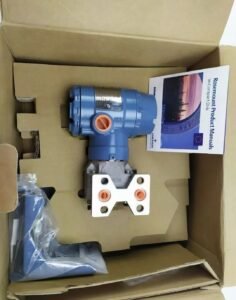
03 Phạm vi áp suất và bảo vệ quá áp
Xác định áp suất tối đa trong hệ thống. Theo kinh nghiệm, nên chọn bộ truyền tín hiệu có dải đo xấp xỉ 1,5 lần áp suất hoạt động tối đa dự kiến. Khoảng đệm này giúp bảo vệ cảm biến khỏi các xung áp suất trong khi vẫn duy trì độ chính xác và độ ổn định lâu dài.
04 Lớp độ chính xác và độ ổn định
Dòng sản phẩm này có nhiều cấp độ chính xác khác nhau, bao gồm cả 3051S dành cho độ chính xác cực cao và 3051C tiêu chuẩn.
-
Các yếu tố ảnh hưởng: Độ chính xác bị ảnh hưởng bởi tính phi tuyến tính, hiện tượng trễ và sự thay đổi nhiệt độ.
-
Tối ưu hóa: Chọn mức độ chính xác đáp ứng các tiêu chuẩn chất lượng mà không cần thiết kế quá mức, vì độ chính xác cao hơn sẽ ảnh hưởng trực tiếp đến chi phí đầu tư ban đầu.
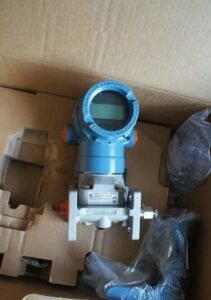
05 Khả năng chống cháy nổ và xếp hạng IP
Trong các môi trường nguy hiểm như khai thác dầu khí hoặc chế biến hóa chất, an toàn tại công trường là điều không thể thỏa hiệp.
-
Chứng nhận: Hãy kiểm tra xem thiết bị có đạt các chứng nhận ATEX, IECEx hoặc CSA cần thiết cho khu vực cụ thể hay không.
-
Khả năng chống xâm nhập: Hãy đảm bảo chỉ số IP (thường là IP66/67) đủ cao để chống lại hơi ẩm, bụi bẩn và thời tiết khắc nghiệt ngoài thực địa.
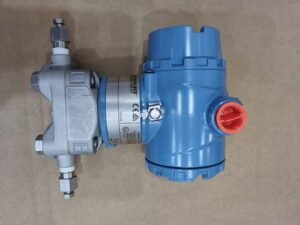
06 Mua sắm và Hỗ trợ kỹ thuật
Khi tìm nguồn cung cấp các thiết bị có độ chính xác cao như... Rosemount 3051. Chuyên môn kỹ thuật và hậu cần đáng tin cậy là những yếu tố then chốt. Công ty TNHH Thương mại Xi'an Yunrui (Yunrui) cung cấp hỗ trợ chuyên nghiệp để đảm bảo các thiết bị được cấu hình chính xác cho môi trường dự định sử dụng.
-
Kiểm tra kỹ thuật: Hỗ trợ tạo chuỗi mã mô hình đảm bảo rằng các loại mặt bích, vật liệu bu lông và thiết bị điện tử hoàn toàn phù hợp với yêu cầu thực tế tại hiện trường.
-
Quản lý tồn kho và hậu cần: Hàng hóa được lưu trữ tại kho ở Tây An để giảm thời gian chờ, trong khi bộ phận hậu cần chuyên nghiệp quản lý việc tuân thủ các quy định quốc tế và thủ tục giấy tờ để đảm bảo giao hàng đúng thời hạn.