








Boshqaruv klapanining aksessuarlari
Har bir ishonchli boshqaruv klapanining asosiy komponentlari
Boshqaruv klapanlari kimyoviy qayta ishlash zavodlaridagi eng muhim harakatlantiruvchi elementlardir, ammo ko'plab muhandislar faqat klapan korpusiga e'tibor berishadi va unga o'rnatilgan asosiy aksessuarlarni e'tiborsiz qoldiradilar. Baliqchi pozitsionerlar, filtr regulyatorlari, pnevmatik kuchaytirgichlar, qulflash klapanlari va chegaraviy kalitlar — agar noto'g'ri tanlangan bo'lsa yoki noto'g'ri ishlasa, hatto eng yaxshi klapan korpusi ham samarasiz bo'lib qoladi.
Ushbu qo'llanmada sohaga yo'naltirilgan nuqtai nazar taqdim etilgan bo'lib, umumiy boshqaruv klapan aksessuarlarining funktsiyalari, tanlov mezonlari va nosozlik alomatlarini bitta keng qamrovli manbada tushuntiradi.
Pozitsioner: Boshqaruv klapanining miyasi
🔧 Funksiya
Pozitsioner DCS/PLC dan 4-20mA signallarni qabul qiladi va kirish signaliga muvofiq klapanni aniq joylashtirish uchun chiqish havo bosimini boshqaradi. Bu eng muhim klapan aksessuari hisoblanadi — pozitsionersiz klapan faqat oddiy yoqish/o'chirish boshqaruvini yomon aniqlik bilan amalga oshirishi mumkin.
📋 Umumiy turlari
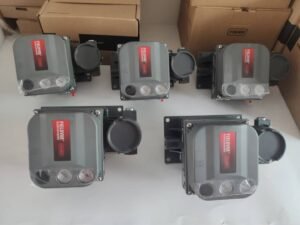
⚠️ Maydondagi nosozlik belgilari
- Klapan holati signalga amal qilmayapti
- Doimiy tebranish (ov)
- Sekin javob/kechikish
- Ichki pozitsioner havo oqishi
✅ Tanlovga oid mulohazalar
- Xavfli hudud tasnifi (portlashga chidamlilik reytingi)
- Bir martalik va ikki martalik aktuator
- HART aloqa qobiliyati
- Diagnostika xususiyatlari (aqlli pozitsionerlar uchun)
💡 Tezkor tekshiruv: Foydalanish AMS Trex qurilma kommunikatori 50% ochilishini buyurish uchun. Klapan holati barqarorlashganligini kuzating. Doimiy tebranish I/P moduli, teskari aloqa ulanishi yoki PID parametrlari bilan bog'liq muammolarni ko'rsatadi.
Filtr regulyatori: Darvozabon
🔧 Funksiya
Filtr regulyatori pozitsioner tomonidan talab qilinadigan belgilangan nuqtaga (odatda 0,4 ~ 0,7 MPa) bosimni barqarorlashtirish bilan birga asbob havosidan namlik, yog' va zarrachalarni olib tashlaydi. Busiz pozitsioner ichidagi kichik teshiklar va I/P modullari tezda tiqilib qoladi.
⚠️ Umumiy soha muammolari
- Filtr idishida suv to'planishi (qishda muzlab, yorilib ketishi mumkin)
- Filtr elementi qoraymoqda/tiqilib qolmoqda
- Noto'g'ri bosim o'lchagich
- Bosimni boshqarishdagi nosozlik
⚠️ Muhim o'rnatish eslatmasi: Ko'pchilik vertikal o'rnatish yo'nalishini e'tiborsiz qoldiradi. Drenaj teshigi pastga qaragan bo'lishi kerak — aks holda suv oqmaydi va to'g'ridan-to'g'ri pozitsionerga oqib tushadi.
Xizmat ko'rsatish: Oylik drenaj va tozalash, filtr elementlarini muntazam ravishda almashtirish (yoki sinterlangan elementlarni tozalash), moy tumanining ifloslanishining oldini olish.
Pnevmatik kuchaytirgich/ovoz balandligini oshiruvchi: Tezlatgich
🔧 Funksiya
Pozitsionerning chiqish havosi hajmi katta hajmli aktuatorlarni tezda to'ldirish uchun yetarli bo'lmaganda, kuchaytirgich katta oqim tezligini boshqarish uchun kichik signaldan foydalanadi va bu klapanning harakatlanish vaqtini sezilarli darajada kamaytiradi. Katta diametrli boshqaruv klapanlari va tez ochiladigan ilovalarda keng tarqalgan.
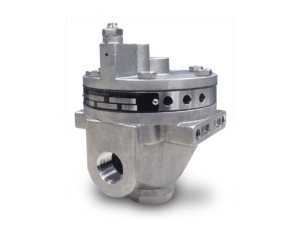
📋 Umumiy modellar
Fisher 2625, SMC, Norgren
⚠️ Maydondagi muvaffaqiyatsizliklar
- Sekin harakat (ortiqcha kuchaytirgichning o'lik diapazoni)
- Yopishqoq/sudralib yuruvchi harakat
- Javob yo'q (uchuvchi klapan bloklanishi)
💡 Sinov bo'yicha maslahat: Signalni to'g'ridan-to'g'ri pozitsioner chiqishiga yo'naltiring va klapanning javobini kuzating. Agar kuchaytirgich kechiksa, aylanma vintni sozlang (agar mavjud bo'lsa).
Qulflash klapani: Xavfsizlik sug'urtasi
🔧 Funksiya
Asbob havosi ta'minoti uzilib qolganda yoki belgilangan qiymatdan pastga tushganda, qulflash klapani avtomatik ravishda pozitsioner va aktuator orasidagi havoni uzib qo'yadi va klapanni oxirgi holatida ushlab turadi. Klapanning kutilmagan harakati natijasida yuzaga keladigan jarayonlarning buzilishi yoki xavfsizlik hodisalarining oldini oladi.
⚙️ O'rnatish bo'yicha ko'rsatmalar
Qulflash bosimi odatda quyidagicha o'rnatiladi 60-70% ta'minot bosimi (Masalan, 0,4 MPa ta'minoti = 0,25-0,3 MPa qulflash sozlamalari).
📌 Muhim eslatma: Qulflash klapanlari favqulodda o'chirish klapanlarini almashtira olmaydi. Ular faqat "pozitsiyani ushlab turadi" - ular klapanni xavfsiz holatga faol ravishda olib kira olmaydi. Ishdan chiqishdan himoya qilish talablari uchun prujinali qaytaruvchi aktuatorlar yoki havo rezervuarlaridan foydalaning.
Limit tugmasi/pozitsiya uzatgichi: DCSga "Men u yerdaman" deyish“
🔧 Funksiya
Klapanning to'liq ochiq yoki to'liq yopiq holatini blokirovka qilish va klapan holatini ko'rsatish uchun DCS/PLC ga yuboriladigan quruq kontakt signallariga o'zgartiradi. Yoqish/o'chirish klapanlari uchun juda muhimdir.
📋 Turlari
Induktiv yaqinlik kalitlari
Magnit qamish kalitlari
Boshqa aksessuarlar
🎛️ Solenoid klapan
Kommutatsiya klapanlarini tez yoqish/o'chirish uchun; havo zanjirini almashtirish uchun ham ishlatilishi mumkin.
📡 Pnevmatik rele
Kuchaytirgichga o'xshash - uzoq masofali havo signalini uzatish yoki haydash qobiliyatini oshirish uchun ishlatiladi.
💨 Tez chiqarish klapani
Egzozni tezlashtirish va klapanlarning yopilish reaksiyasini yaxshilash uchun aktuatorning egzoz portiga o'rnatilgan.
📊 Pozitsiya uzatgichi
Real vaqt rejimida monitoring qilish uchun mexanik klapan holatini 4-20mA signalga o'zgartiradi.
📋 Tezkor ma'lumotnoma jadvali
| Aksessuar | Funksiya | Asosiy tanlov mezonlari | Muvaffaqiyatsizlik ta'siri |
|---|---|---|---|
| Pozitsioner | Aniq pozitsiyani boshqarish | Xavfli hudud reytingi, protokol, bir martalik/ikki martalik ta'sir | Noto'g'ri pozitsiya, tebranish |
| Filtr regulyatori | Havoni tozalash va barqarorlashtirish | Filtrlash darajasi (5 μm), bosim diapazoni | I/P bloklanishi, pozitsiyaning siljishi |
| Ovoz balandligini oshiruvchi | Ishga tushirish tezligining oshishi | Oqim koeffitsienti Cv, uchuvchi turi | Sekin javob, harakat yo'q |
| Qulflash klapani | Havo yetishmovchiligida pozitsiyani ushlab turing | Qulflash bosimi, port o'lchami | Havo yo'qotilishida kutilmagan harakat |
| Limit tugmasi | Lavozim holati haqida fikr-mulohaza | Kontakt reytingi, xavfli hudud, IP reytingi | Soxta sayohatlar, hech qanday fikr-mulohaza yo'q |
🔧 Dala muammolarini bartaraf etish bo'yicha qo'llanma
“Tebranishmi? Pozitsionerni tekshiring.”.
Idishda suv bormi? Tozalab tashlang.
Juda sekinmi? Kuchaytirgich qo'shing.
Qulflash bosimi? To'g'ri sozlang.
Yomon fikr-mulohaza bormi? Kamerani tekshiring.
Muhr ishlamayaptimi? O-ringni almashtiring.
Kichik aksessuarlar muhim — ularni birma-bir tekshirib ko'ring.”
✅ Uchta asosiy xulosa
Pozitsioner yadro hisoblanadi; filtr regulyatori esa asosdir. Agar ikkalasi ham ishlamay qolsa, vana to'g'ri ishlay olmaydi.
Katta aktuatorlarda ovoz kuchaytirgichlar bo'lishi kerak—yoki harakat "sekin harakatda" bo'ladi. Havo uzilishidan himoya qilish uchun qulflash klapanlari kerak.
Aksessuarlarni tanlash faqat brendlar bilan cheklanmaydi—parametrlarni moslashtirish (havo bosimi, oqim sig'imi, xavfli hudud reytingi) muhim ahamiyatga ega.
📚 Tegishli texnik resurslar
Fisher 3582 mexanik pozitsioner: O'rnatish va kalibrlash bo'yicha qo'llanma →
Fisher 67CFR va 67CFSR filtr regulyatorlari: Texnik xususiyatlar →
Fisher Pozitsionerini Tanlash Qo'llanmasi: Keng Katalog →
Fisher DVC6200 raqamli klapan boshqaruvchisi: tuzilishi va tamoyillari →
Fisher FIELDVUE 4400 aqlli pozitsiya uzatgichi: Qo'llash bo'yicha qo'llanma →