






Kelebihan Teknikal Kritikal
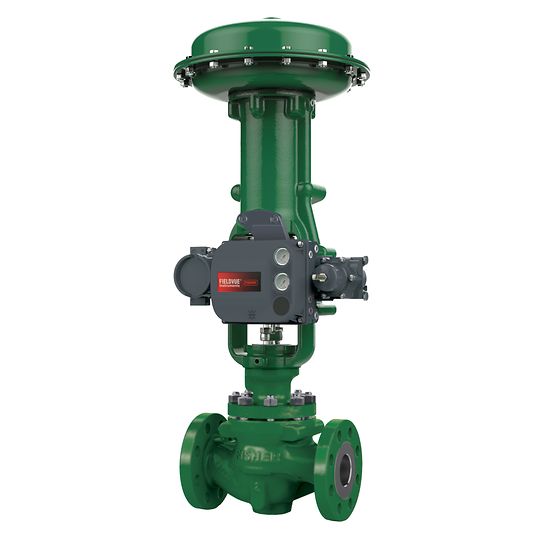
Mekanisme Tindakan Songsang: ETR dibezakan oleh seni bina dalamannya di mana palam injap terbuka apabila batang ditolak ke bawah. Ini merupakan ciri mekanikal kritikal untuk mencapai kedudukan selamat-gagal tertentu (buka-gagal atau tutup-gagal) bergantung pada jenis penggerak pneumatik dan logik isyarat kawalan yang digunakan di dalam loji.
Palam Seimbang untuk Suhu Tinggi: Seperti ET standard, ETR menggunakan palam seimbang untuk menyamakan tekanan proses. Reka bentuk ini meminimumkan daya penggerak yang diperlukan untuk memodulasi injap, membolehkan kawalan tepat bendalir tekanan tinggi panas dengan penggerak yang lebih kecil dan lebih cekap.
Integriti Penutupan Superior: ETR boleh menyediakan penutupan sehingga Kelas V atau VI. Ini dicapai melalui sistem cincin pengedap khusus—selalunya bermuatan pegas—yang mengekalkan sentuhan berterusan dengan sangkar, digabungkan dengan reka bentuk tempat duduk yang melindungi cakera PTFE di bawah mampatan terkawal.
Kestabilan Berpandu Sangkar yang Lasak: Palam injap disokong sepenuhnya oleh sangkar tugas berat. Sistem panduan yang teguh ini memastikan kestabilan yang tinggi dan mengurangkan getaran dan bunyi mekanikal yang berkaitan dengan aliran halaju tinggi dengan ketara, sekali gus memanjangkan hayat perkhidmatan kemasan.
Kawalan Pelepasan Buronan: ETR serasi sepenuhnya dengan sistem pembungkusan ENVIRO-SEAL™. Sistem PTFE atau Grafit ULF yang dimuatkan secara langsung ini menyediakan pengedap batang yang dipertingkatkan yang menghalang kehilangan bendalir proses dan mengurangkan keperluan penyelenggaraan pembungkusan yang kerap.
Pematuhan NACE dan Global: Bahan tersedia untuk memenuhi piawaian NACE MR0175/ISO 15156 dan MR0103 untuk perkhidmatan masam. Di samping itu, injap boleh dibekalkan dengan dimensi dan penarafan yang memenuhi piawaian industri EN/DIN.
Matriks Prestasi Teknikal
| Ciri | Butiran |
| Gaya Injap | Globe (Pelabuhan Tunggal) |
| Tindakan | Tindakan Songsang (Tekan ke bawah untuk membuka) |
| Reka Bentuk Palam | Seimbang (Tujahan penggerak yang lebih rendah) |
| Suhu Maksimum | Dioptimumkan untuk Perkhidmatan Suhu Tinggi |
| Kelas Penutupan | Sehingga Kelas V atau VI |
| Membimbing | Sangkar Tugas Berat Berpandu |
Aplikasi Utama
Gelung Kawalan Suhu Tinggi: Modulasi tepat hidrokarbon panas, stim atau gas proses yang memerlukan logik tindakan songsang.
Sistem Kritikal Selamat Gagal: Digunakan bersama-sama dengan penggerak tertentu untuk memastikan keadaan loji yang selamat apabila bekalan kuasa atau udara terputus.
Utiliti Penjanaan Kuasa: Menguruskan longkang dan bolong stim bertekanan tinggi yang mengutamakan kestabilan dan penutupan yang ketat.
Kimia dan Penapisan: Perkhidmatan yang boleh dipercayai dalam persekitaran menghakis atau masam di mana metalurgi patuh NACE diperlukan.