




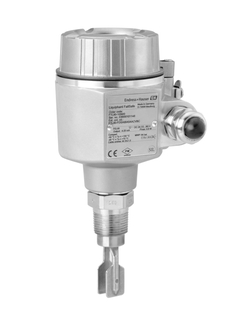
Karakteristik Teknis dan Arsitektur Keselamatan
-
Desain FailSafe SIL3: FTL80 unik dalam kemampuannya mencapai keamanan fungsional SIL3 dengan satu perangkat (arsitektur 1oo1). Hal ini dimungkinkan melalui pemantauan mandiri permanen dan redundansi internal, yang memastikan bahwa setiap kegagalan internal segera terdeteksi dan dialihkan ke kondisi yang aman.
-
Pemantauan Mandiri Permanen: Perangkat ini terus memantau garpu tala untuk mendeteksi kerusakan mekanis, korosi, penumpukan kotoran yang berlebihan, atau penyumbatan mekanis. “Pemeriksaan kesehatan” secara berkala ini memastikan sensor selalu siap menjalankan fungsi keselamatannya.
-
Interval Uji Bukti yang Diperpanjang: Berkat diagnostik internalnya yang canggih, FTL80 memungkinkan interval uji bukti hingga 12 tahun. Pengujian dapat dimulai dengan menekan sebuah tombol atau melalui sinyal jarak jauh, sehingga secara signifikan mengurangi biaya perawatan dan paparan personel di zona berbahaya.
-
Antarmuka 4-20mA: Sesuai dengan standar NAMUR NE 06/NE 43, perangkat ini terintegrasi dengan mulus dengan unit switching Nivotester FailSafe FTL825 atau langsung ke PLC keselamatan. Antarmuka ini menyediakan sinyal status yang jelas untuk kondisi "tertutup," "bebas," dan "kesalahan".
-
Lini Pertahanan Kedua: Seperti model Liquiphant premium lainnya, alat ini memiliki saluran tembus kedap gas untuk melindungi lingkungan dan wadah elektronik dari media proses, bahkan jika diafragma sensor rusak.
-
Ketahanan Proses Ekstrem: Dibuat dari 316L atau Paduan C, sensor ini beroperasi dengan andal pada suhu dari -60 hingga +280°C dan tekanan hingga 100 bar, sehingga cocok untuk proses industri yang paling fluktuatif.
Matriks Spesifikasi Teknis
| Fitur | Detail Teknis |
| Prinsip Pengukuran | Vibronik (Garpu Tala) |
| Tingkat Integritas Keselamatan | SIL3 (1oo1) |
| Suhu Proses | -60 hingga +280°C (-76 hingga +540°F) |
| Tekanan Proses | -1 hingga +100 bar (-14,5 hingga +1.450 psi) |
| Bahan Sensor | Baja Tahan Karat 316L, Paduan C |
| Sinyal Keluaran | 4-20mA (NAMUR NE 06 / NE 43) |
| Keselamatan & Kepatuhan | SIL3, WHG, ATEX, IECEx, Kelautan |
Aplikasi Utama
-
Perlindungan Terhadap Kelebihan Muatan yang Kritis: Berfungsi sebagai penghalang keselamatan utama dalam penyimpanan bahan kimia berisiko tinggi atau tangki kilang minyak di mana tumpahan akan memiliki konsekuensi bencana.
-
Sistem Instrumen Keselamatan (SIS) dengan Integritas Tinggi: Integrasi ke dalam siklus keselamatan di mana peringkat SIL3 diwajibkan oleh penilaian risiko (LOPA).
-
Cairan Beracun dan Berbahaya: Memanfaatkan arsitektur FailSafe dan lini pertahanan kedua untuk memantau kadar zat yang sangat berbahaya.
-
Titik Keamanan dengan Perawatan Rendah: Ideal untuk titik keamanan terpencil atau sulit dijangkau di mana interval uji ketahanan 12 tahun memberikan keuntungan operasional yang signifikan.
-
Reaktor Suhu Tinggi: Deteksi level titik yang andal dalam reaktor kimia yang menjalani proses eksotermik atau uap bertekanan tinggi.