








ال يوكوجاوا تُعدّ أجهزة الإرسال من سلسلة EJA معيارًا عالميًا لقياس الضغط والضغط التفاضلي عالي الأداء. ورغم شهرتها بمتانتها الفائقة، إلا أن أخطاء التشغيل أو أعطال الأجهزة قد تُؤدي أحيانًا إلى ظهور رسائل تشخيصية عبر المؤشر المحلي أو جهاز الاتصال BT200. يُقدّم هذا الدليل شرحًا مُفصّلًا لهذه الرموز والخطوات اللازمة لاستعادة التشغيل الطبيعي.
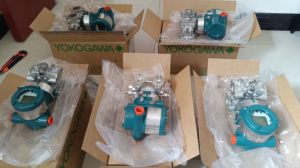
01 مصفوفة مرجعية لرموز التشخيص
يوضح الجدول التالي أكثر رموز الأخطاء شيوعًا التي يتم مواجهتها في هذا المجال لـ يوكوجاوا أجهزة إرسال سلسلة EJA.
| شاشة عرض المؤشر | شاشة BT200 | سبب | حالة الإخراج | الإجراء التصحيحي |
| لا أحد | جيد | التشغيل العادي | طبيعي | لا يلزم اتخاذ أي إجراء |
| ER.01 | عطل في وحدة المكثف | خطأ في الكبسولة | لكل إعداد D53 | استبدل وحدة الكبسولة |
| ER.02 | عطل في وحدة مكبر الصوت | خطأ في المُضخّم | لكل إعداد D53 | استبدل وحدة مكبر الصوت |
| ER.03 | خارج النطاق | المدخلات تتجاوز الحد المسموح به للكبسولة | الحد الأعلى/الحد الأدنى | تحقق من ضغط الإدخال |
| ER.04 | خارج نطاق SP | تجاوز الضغط الساكن الحد المسموح به | الخرج الحالي | تحقق من الضغط الساكن |
| ER.05 | ارتفاع درجة الحرارة (السعة) | درجة حرارة الكبسولة خارج النطاق | الخرج الحالي | تحسين العزل الحراري |
| ER.06 | ارتفاع درجة الحرارة (أمبير) | درجة حرارة الأمبير خارج النطاق | الخرج الحالي | تحسين التهوية/التبريد |
| ER.07 | زيادة الإنتاج | تجاوزت المخرجات الحد المسموح به | الحد الأعلى/الحد الأدنى | تحقق من المدخلات والنطاق |
| ER.08 | عرض زائد | القيمة المعروضة تتجاوز الحد المسموح به | الحد الأعلى/الحد الأدنى | تحقق من إعدادات العرض |
| ER.09 | مركبة خفيفة غير قانونية | تتجاوز قيمة LRV نطاق الضبط | مخرج التثبيت | اضبط إعدادات LRV |
| ER.10 | فيروس HRV غير قانوني | تجاوز معدل تقلب معدل ضربات القلب النطاق المحدد | مخرج التثبيت | اضبط إعدادات معدل ضربات القلب المتغيرة |
| ER.11 | امتداد غير قانوني | يتجاوز نطاق الضبط | مخرج التثبيت | قم بتصحيح إعداد النطاق |
| ER.12 | لا يوجد تعديل إضافي | ضبط الصفر كبير جدًا | الخرج الحالي | أعد إجراء عملية ضبط الصفر |
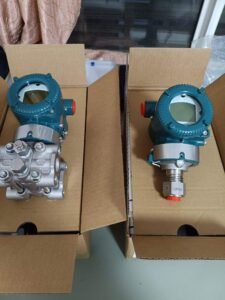
02 تحليل فني معمق ومنطق الأمان من الأعطال
يُعد فهم المنطق الأساسي للإلكترونيات في أجهزة الإرسال من سلسلة Yokogawa EJA أمرًا ضروريًا للحفاظ على سلامة العملية وموثوقية الموقع.
-
تكوين الاحتراق (D53)
تحدد المعلمة D53 حالة الأمان لحلقة 4-20 مللي أمبير أثناء أعطال الأجهزة الحرجة مثل ER.01 أو ER.02. ولضمان قدرة نظام التحكم الموزع (DCS) أو وحدة التحكم المنطقية القابلة للبرمجة (PLC) على التمييز بين قراءة الضغط المنخفض وعطل في أجهزة الإرسال من سلسلة Yokogawa EJA، يتم عادةً رفع مستوى الخرج إلى مستوى عالٍ (≥ 21.6 مللي أمبير) أو منخفض (≤ 3.2 مللي أمبير). يساهم توحيد هذا الإعداد في جميع أنحاء المصنع في تحسين كفاءة الاستجابة للطوارئ.
-
إدارة الإجهاد الحراري
تشير رموز التشخيص ER.05 وER.06 إلى أن حرارة العملية أو درجة الحرارة المحيطة قد تجاوزت حدود التشغيل للكبسولة أو المُضخِّم. يؤدي التعرض المتكرر لهذه الحدود إلى تقصير عمر الإلكترونيات في أجهزة الإرسال من سلسلة Yokogawa EJA. في التطبيقات ذات درجات الحرارة العالية، يُنصح باستخدام مانع تسرب غشائي عن بُعد أو سيفون خط النبض لتبديد الحرارة قبل وصولها إلى جسم جهاز الإرسال.
-
الضغط الساكن والاستقرار الصفري
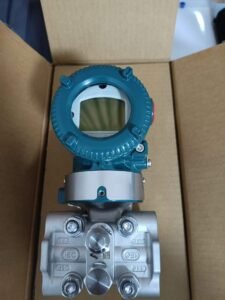
بالنسبة لوحدات قياس الضغط التفاضلي مثل EJA110A، يجب أن يبقى الضغط الساكن (ER.04) ضمن نطاق أقصى ضغط تشغيل (MWP) المحدد على لوحة البيانات. ومن المهم أيضًا ملاحظة أن التغيرات الكبيرة في الضغط الساكن قد تتسبب في انحرافات في قراءة الصفر في أجهزة الإرسال من سلسلة Yokogawa EJA. لذا، يُنصح دائمًا بإجراء ضبط الصفر عند ضغط التشغيل الساكن لضمان أعلى دقة.
03 المشتريات والدعم الفني
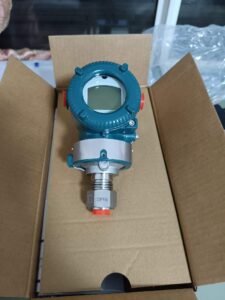
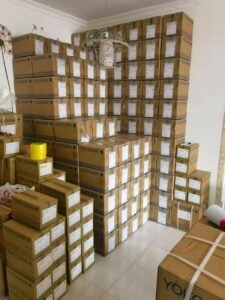
عند البحث عن وحدات بديلة أو جديدة يوكوجاوا في أجهزة الإرسال من سلسلة EJA، يُعد التحقق الفني من لاحقات الطراز ونطاقات الضغط أمرًا بالغ الأهمية لتجنب أخطاء الضبط غير القانونية. تقدم شركة شيان يونروي للتجارة المحدودة (يونروي) مساعدة احترافية في اختيار التكوين الصحيح للبيئات الصناعية.
يشمل الدعم الفني المساعدة في حسابات LRV/HRV والتحقق من توافق المواد المستخدمة في الأغشية والمسامير. ويضمن الاحتفاظ بمخزون من وحدات المضخمات والكبسولات الشائعة في مستودع شيآن معالجة الأعطال الميدانية في أجهزة إرسال سلسلة Yokogawa EJA بأقل وقت توقف ممكن. كما تضمن إدارة الخدمات اللوجستية والامتثال العالمية تسليم الأجهزة الحيوية جاهزة للتركيب.