





Lợi ích kỹ thuật chính
-
Quản lý năng lượng hiệu suất cao
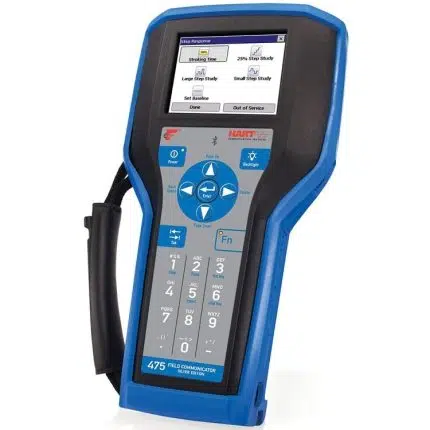
Ký hiệu P1 cho biết thiết bị này được trang bị mô-đun nguồn Li-ion sạc lại dung lượng cao và bộ nguồn/sạc 100-240 VAC tương ứng. Điều này đảm bảo thiết bị hoạt động liên tục trong suốt ca làm việc dài ngoài hiện trường với khả năng sạc nhanh.
-
Bộ nhớ và đồ họa nâng cao (GM)
Với bộ nhớ cao cấp 32 MB và màn hình đồ họa màu, mẫu máy này cho phép người dùng làm được nhiều hơn chỉ là đọc văn bản. Nó hỗ trợ chẩn đoán nâng cao, bao gồm khả năng xem và phân tích các đặc trưng van phức tạp và xu hướng cảm biến trực tiếp trên thiết bị.
-
Giao tiếp đa năng
Cấu hình này được tối ưu hóa cho giao tiếp HART, giao thức được sử dụng rộng rãi nhất trong tự động hóa quy trình. Nó cung cấp khả năng tích hợp liền mạch với thư viện khổng lồ các Mô tả Thiết bị (DD) cho các thiết bị từ Rosemount, Yokogawa, Endress+Hauser và nhiều hãng khác.
-
Bền bỉ và đáng tin cậy
Được thiết kế dành cho môi trường nhà máy, máy in 475 được chế tạo để chịu được những va đập, rơi rớt và độ ẩm thường gặp trong môi trường công nghiệp. Màn hình cảm ứng được thiết kế để dễ quan sát và có thể được thao tác bằng bút cảm ứng hoặc ngón tay.
Phân tích mã sản phẩm: 475HP1ENA9GMT
Việc hiểu rõ cấu hình cụ thể của 475HP1ENA9GMT là rất cần thiết cho công tác mua sắm và hỗ trợ kỹ thuật:
| Mã số | Tính năng | Thông số kỹ thuật |
| 475 | Mô hình cơ bản | 475 Máy liên lạc hiện trường |
| H | Giao tiếp | Hỗ trợ giao thức HART |
| P | Mô-đun nguồn | Mô-đun nguồn Li-ion có thể sạc lại |
| 1 | Nguồn điện | Bộ nguồn/Bộ sạc (100-240 VAC) |
| E | Ngôn ngữ | Tiếng Anh |
| NA | Chứng chỉ | Không có chứng nhận chống cháy nổ (Chỉ sử dụng trong khu vực an toàn) |
| 9 | Nâng cấp dễ dàng | Không thể nâng cấp dễ dàng (Thư viện DD tiêu chuẩn) |
| GM | Ký ức | Đồ họa / Bộ nhớ cấp cao 32 MB |
| T | Trưng bày | Màn hình cảm ứng kèm bút cảm ứng |
Ứng dụng công nghiệp chính
Máy đo lực 475HP1ENA9GMT là một công cụ thiết yếu cho nhiều nhiệm vụ ngoài hiện trường:
-
Cấu hình bộ truyền tín hiệu: Điều chỉnh phạm vi đo, độ giảm chấn và đơn vị cho các bộ truyền tín hiệu áp suất, nhiệt độ và mức chất lỏng.
-
Kiểm tra vòng lặp: Mô phỏng tín hiệu mA để xác minh tính toàn vẹn của vòng lặp và phản hồi của hệ thống điều khiển.
-
Chẩn đoán thiết bị: Đọc mã lỗi và cảnh báo để xác định lỗi cảm biến hoặc sự không khớp cấu hình.
-
Quản lý kho: Truy cập thẻ thiết bị và số sê-ri để theo dõi tài sản.