





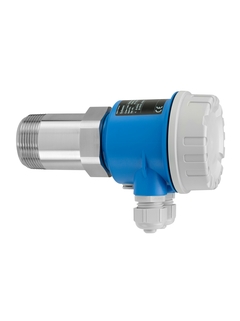
Texnik xususiyatlar va jarayonning afzalliklari
-
Kontaktsiz o'lchov: FQR56 materialni idish tashqarisidan yoki o'tkazuvchan bo'lmagan oynadan aniqlay oladi. Bu jarayonda namlangan qismlarga bo'lgan ehtiyojni bartaraf etadi va shag'al yoki qum kabi abraziv ishlarda aşınma va yirtilishni sezilarli darajada kamaytiradi.
-
Keng o'lchash diapazoni: Maksimal 100 metr (328 fut) masofaga ega bo'lgan to'siq katta zaxiralarni, keng konveyer lentalarini yoki juda katta saqlash siloslarini kuzatish uchun mos keladi.
-
Mexanik mustahkamlik: Qurilma o'ta chidamlilik uchun ixtiyoriy ravishda ishlov berilgan keramik diafragma bilan jihozlangan. Elektron korpus 360° ga aylantirilishi mumkin, bu esa jarayon ulanishi mahkamlangandan keyin ham kabel kirishlarini mukammal hizalash imkonini beradi.
-
Vizual signal kuchi: Tizim qabul qilgichdagi signal kuchini aniq ko'rsatib beradi, bu esa ishga tushirish paytida uzatgich va qabul qilgichni moslashtirishni va vaqt o'tishi bilan signalning yomonlashishini kuzatishni osonlashtiradi.
-
Orqaga qarab moslik: FQR56 avvalgi FQR50 seriyasi bilan mexanik jihatdan mos keladi. Bu mavjud adapter flanjlari, qavslari va ko'zoynaklaridan foydalangan holda oddiy "to'siqsiz" almashtirish imkonini beradi va modernizatsiya xarajatlarini minimallashtiradi.
Texnik xususiyatlar matritsasi
| Xususiyat | Texnik tafsilotlar |
| O'lchov printsipi | Mikroto'lqinli to'siq (uzatuvchi) |
| O'zaro ta'sir | Soliwave FDR56 qabul qilgichi bilan juftliklar |
| O'lchov oralig'i | Maksimal 100 m (328 fut) |
| Atrof-muhit harorati | -40 dan +70 °C gacha (-40 dan +158 °F gacha) |
| Jarayon ulanishlari | Iplar (standart yoki adapter flanjlari orqali) |
| Xavfsizlik tasdiqlari | Xalqaro portlashdan himoya qilish (ATEX va boshqalar) |
| Signal ko'rsatkichi | Qabul qilgichdagi signal kuchi LEDsi |
Asosiy ilovalar
-
Ommaviy qattiq moddalarni aniqlash: Yog'och chiplari, talaş, un, gips, tsement va kul uchun ishonchli almashtirish.
-
Ob'ektlarni sanash va boshqarish: Konveyer liniyalarida sumkalar, qutilar yoki katta karton parchalarini mikroto'lqinli nurdan o'tayotganda sanash uchun ishlatiladi.
-
Erkin tushishni kuzatish: To'siqlarni aniqlash yoki materialning oqizilishini tasdiqlash uchun qulash shaxtalari yoki novchalardagi material oqimini aniqlash.
-
Qattiq atrof-muhitni sezish: Ultratovushli yoki optik sensorlar signal shovqini tufayli ishlamay qolishi mumkin bo'lgan juda changli yoki bug'li muhitlar uchun ideal.
-
Invaziv bo'lmagan darajani boshqarish: Teshiklarni burg'ilamasdan yoki ichki zondlarni o'rnatmasdan plastik idishlarda yoki shisha bilan qoplangan idishlarda darajalarni kuzatish.