




คุณลักษณะทางเทคนิคและการออกแบบเพื่อสุขอนามัย
-
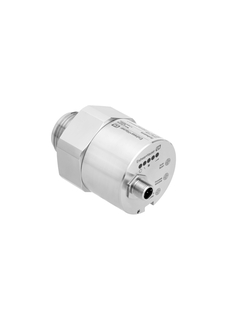
ขนาดกะทัดรัดเป็นพิเศษ: FDR16 ได้รับการออกแบบมาสำหรับใช้งานในพื้นที่ที่เข้าถึงยากหรือมีข้อจำกัดในการติดตั้ง. ด้วยขนาดที่เล็ก ทำให้เหมาะสำหรับเครื่องจักรขนาดเล็ก ท่อแคบ และสายการบรรจุขนาดกะทัดรัด.
-
การปกป้องและสุขอนามัยที่เหนือกว่า: นี่คือแผงกั้นคลื่นไมโครเวฟรุ่นแรกที่ได้รับการรับรองมาตรฐานการป้องกัน IP69 ซึ่งหมายความว่าสามารถทนต่อการล้างด้วยแรงดันสูงและอุณหภูมิสูงได้. นอกจากนี้ยังตรงตามข้อกำหนดของ EU 1935/2004 สำหรับวัสดุที่สัมผัสกับอาหารด้วย.
-
การวัดแบบไม่รุกราน: เช่นเดียวกับรุ่นที่มีขนาดใหญ่กว่า FDR16 สามารถ "มองทะลุ" วัสดุที่ไม่ใช่โลหะ เช่น พลาสติก แก้ว หรือเซรามิกได้. วิธีนี้ช่วยให้สามารถตรวจวัดระดับจุดจากภายนอกภาชนะได้ ซึ่งช่วยรักษาความสมบูรณ์ของกระบวนการ.
-
การวินิจฉัยตนเองอัจฉริยะ: เพื่อให้มั่นใจในความปลอดภัยของกระบวนการในระดับสูง อุปกรณ์นี้มีระบบวินิจฉัยตนเองอย่างต่อเนื่องและฟังก์ชันทดสอบตนเองอย่างเต็มรูปแบบ ซึ่งจะแจ้งเตือนระบบทันทีหากประสิทธิภาพของอุปกรณ์กั้นมีปัญหา.
-
โครงสร้างสแตนเลสที่แข็งแรงทนทาน: ตัวเรือนทั้งหมดทำจากสแตนเลสเกรดสูง รับประกันอายุการใช้งานที่ยาวนาน ปราศจากการสึกหรอและไม่ต้องบำรุงรักษา แม้จะสัมผัสกับสารทำความสะอาดที่มีฤทธิ์กัดกร่อนหรือสภาพแวดล้อมที่มีการเสียดสีสูงก็ตาม.
ตารางข้อมูลจำเพาะทางเทคนิค
| คุณสมบัติ | รายละเอียดทางเทคนิค |
| หลักการวัด | แผงกั้นคลื่นไมโครเวฟ (ตัวรับ) |
| ปฏิสัมพันธ์ | ใช้งานร่วมกับเครื่องส่งสัญญาณ Soliwave FQR16 |
| วัสดุสำหรับที่อยู่อาศัย | เหล็กกล้าไร้สนิม (316L/1.4404) |
| ระดับการป้องกัน | IP67 / IP69 |
| การปฏิบัติตามกฎระเบียบ | สหภาพยุโรป 1935/2004 (เกรดอาหาร) |
| การวินิจฉัยโรค | การตรวจสอบและทดสอบตนเองอย่างต่อเนื่อง |
| การติดตั้ง | การติดตั้งแบบเกลียวหรือแบบยึดขนาดกะทัดรัดเป็นพิเศษ |
การใช้งานหลัก
-
อุตสาหกรรมอาหารและเครื่องดื่ม: การตรวจวัดระดับของเหลวในถังหรือท่อขนาดเล็กสำหรับส่วนผสมต่างๆ เช่น แป้ง น้ำตาล หรือของเหลว ซึ่งจำเป็นต้องมีการล้างทำความสะอาดอย่างถูกสุขอนามัย.
-
การนับจำนวนชิ้น: การตรวจจับและนับจำนวนวัตถุขนาดเล็ก กล่อง หรือขวด บนสายพานลำเลียงด้วยความเร็วสูง.
-
ระบบป้องกันน้ำล้นและการทำงานโดยไม่มีของเหลว: ทำหน้าที่เป็นสวิตช์นิรภัยในถังขนาดเล็กหรือท่อส่งปั๊ม เพื่อป้องกันความเสียหายของอุปกรณ์หรือการสิ้นเปลืองวัสดุ.
-
บรรจุภัณฑ์ยา: การตรวจจับการมีอยู่ของแผงยาหรือขวดบรรจุยาขนาดเล็กในเครื่องบรรจุภัณฑ์อัตโนมัติ.
-
ช่องลำเลียงวัสดุแคบ: การตรวจสอบการอุดตันในรางลำเลียงแคบๆ ซึ่งเซ็นเซอร์แบบดั้งเดิมมีขนาดใหญ่เกินกว่าจะติดตั้งได้.