







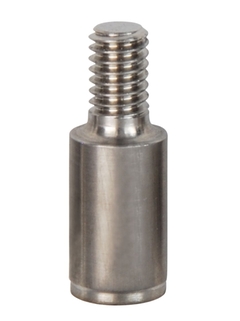
Ciri-ciri Teknikal dan Kuasa Penembusan Tinggi
-
Tenaga Penembusan Tinggi: FSG61 dioptimumkan untuk aplikasi "ekstrem". Ia menyediakan tenaga yang diperlukan untuk melalui ketebalan bahan yang ketara (keluli, plumbum atau konkrit) yang akan melemahkan sepenuhnya sumber julat piawai.
-
Enkapsulasi Keselamatan Bertetulang: Seperti semua sumber gama perindustrian, FSG61 dienkapsulasi berganda dalam kapsul logam gred tinggi. Ia biasanya memenuhi atau melebihi klasifikasi ISO 2919 C66646, memastikan integriti struktur terhadap kejutan haba yang melampau, getaran dan tekanan luaran.
-
Kawalan Dos Dioptimumkan: Walaupun mempunyai tenaga yang tinggi, FSG61 boleh dipesan dalam tahap aktiviti tertentu. Ini memastikan "dos" sinaran seimbang sepenuhnya—cukup kuat untuk sampai ke pengesan dengan isyarat yang jelas, tetapi diminimumkan untuk memastikan keselamatan dan memudahkan keperluan perlindungan sinaran.
-
Reka Bentuk Sumber Titik Stabil: Reka bentuknya sebagai sumber titik tertumpu membolehkan laluan sinaran yang sangat jelas apabila digunakan dengan bekas sumber. Ketepatan ini adalah penting untuk pemprofilan ketumpatan yang tepat dan pengesanan antara muka dalam pemisah kompleks.
Matriks Spesifikasi Teknikal
| Ciri | Butiran Teknikal |
| Isotop | Biasanya 60Co (Kobalt) atau aktiviti tinggi 137C (Sesium) |
| Keupayaan Penembusan | Dioptimumkan untuk dinding tebal dan rentang proses yang besar |
| Pengelasan Keselamatan | Biasanya C66646 (ISO 2919 / DIN 25426) |
| Permohonan | Aras Berterusan, Aras Titik, Ketumpatan, Antara Muka |
| Keserasian | Bekas aktiviti tinggi FQG61, FQG62, FQG63, FQG66 |
Aplikasi Utama
-
Reaktor Tekanan Tinggi Berdinding Tebal: Mengukur aras dalam reaktor kimia di mana ketebalan dinding melebihi had sumber radiometrik standard.
-
Ketumpatan Paip Diameter Besar: Memantau ketumpatan buburan berat atau bahan kimia dalam paip dengan diameter besar (cth., >500mm) di mana penyerapan tinggi berlaku.
-
Julat Ketumpatan Ekstrem: Pengukuran tepat dalam media dengan ketumpatan yang sangat tinggi atau di mana turun naik ketumpatan adalah besar-besaran, memerlukan pancaran yang lebih "bertenaga" untuk mengekalkan resolusi isyarat.
-
Pemisah Berbilang Fasa: Memetakan antara muka antara gas, minyak dan air dalam pemisah luar pesisir yang besar di mana sinaran mesti bergerak melalui beberapa meter bendalir dan keluli.
-
Pepejal Lelas dan Kakisan: Pengesanan aras titik dalam corong atau siklon tugas berat di mana bekas dilapisi dengan seramik tebal atau bahan tahan haus.