







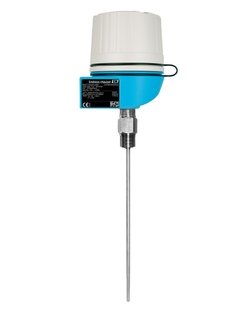
Kelebihan Teknikal Kritikal
-
Disasarkan untuk Infrastruktur Sedia Ada: T15 ialah pilihan ideal untuk projek penyelenggaraan dan naik taraf di mana termowell asal masih dalam keadaan baik tetapi sensor atau pemancar perlu diganti. Ini menjimatkan kos dan usaha untuk menanggalkan telaga pelindung daripada proses tersebut.
-
Keselamatan Maksimum untuk Zon Berbahaya: Dengan FM dan CSA XP Kelas I, Div. 1 kelulusan, T15 direka bentuk untuk beroperasi dengan selamat di kawasan yang terdapat gas atau wap mudah terbakar. Kepala sambungan yang teguh dibina untuk membendung sebarang penyalaan dalaman.
-
Perolehan Dipermudahkan: Dengan menggabungkan sensor, kepala terminal dan pemancar ke dalam satu nombor model, T15 menyediakan penyelesaian "sehenti". Ini memastikan semua komponen dalaman serasi dan memudahkan logistik pesanan alat ganti.
-
Elektronik Berprestasi Tinggi: Apabila dilengkapi dengan pemancar kepala iTEMP, T15 menawarkan pengasingan galvanik 2 kV dan kestabilan jangka panjang yang luar biasa $\le$0.05% setahun. Ini memastikan isyarat digital kekal tepat sepanjang kabel yang panjang dan mengurangkan kekerapan pengesahan manual.
-
Fleksibiliti Bahan: Sarung prob boleh ditentukan dalam pelbagai bahan, seperti Keluli Tahan Karat 316L atau Hastelloy C276, untuk memastikan keserasian dengan atmosfera dalaman termowell sedia ada dan sebarang potensi pemeluwapan atau pendedahan kimia.
-
Pemasangan Lapangan Pantas: Reka bentuk "terus dari kotak" membolehkan juruteknik menanggalkan sensor lama dan memasang T15 dengan segera, meminimumkan masa yang dihabiskan di kawasan berbahaya semasa kitaran penyelenggaraan.
Matriks Prestasi Teknikal
| Ciri | Butiran |
| Jenis Sensor | Pt100 RTD (Elemen dan sarung bertebat) |
| Kelulusan | FM/CSA XP Kelas I, Bahagian 1 (Kalis Letupan) |
| Jenis Pemasangan | Direka untuk digunakan dalam termowell sedia ada |
| Pengasingan Galvanik | 2 kV (pada kebanyakan model pemancar) |
| Kestabilan Tahunan | $\le$0.05% (Pemancar iTEMP) |
| Komunikasi | 4-20mA, HART, PROFIBUS PA, FOUNDATION Fieldbus |
| Piawaian Industri | Gaya AS (spesifikasi Amerika Utara) |
Aplikasi Utama
-
Penyelenggaraan Kilang Penapisan: Menaik taraf titik suhu penuaan dalam lajur penyulingan atau penukar haba di mana termowell telah dikimpal di tempatnya.
-
Pengubahsuaian Platform Luar Pesisir: Menggantikan sensor dalam persekitaran marin yang menghakis tanpa perlu menentukan termowell baharu.
-
Penaiktarafan Petrokimia: Menukar sensor lama yang berwayar terus kepada pemancar HART atau Fieldbus moden untuk penyepaduan data yang lebih baik.
-
Pemulihan Loji Kimia: Penggantian pantas pelbagai titik suhu semasa penutupan berjadual bagi memastikan ketersediaan loji maksimum.
-
Penyelenggaraan Utiliti Kuasa: Mengemas kini sensor dalam talian stim tekanan tinggi di mana termowell tugas berat sedia ada dikekalkan.