








Itu Fisher 657 Dan Fisher 667 Seri ini mewakili standar industri untuk aktuator diafragma yang berlawanan dengan pegas. Aktuator pneumatik ini dirancang untuk memposisikan batang sumbat katup sebagai respons terhadap sinyal keluaran pengontrol atau pengatur posisi yang bervariasi. Meskipun keduanya memiliki reputasi yang sama dalam hal kekokohan dan keandalan, arah operasional dan konfigurasi mekanisnya memiliki fungsi keselamatan yang berbeda di lapangan. Untuk membantu para insinyur proses dalam pemilihan dan pemeliharaan yang tepat, Xi'an Yunrui Trading Co., Ltd. (Yunrui) menyediakan analisis teknis terperinci ini.
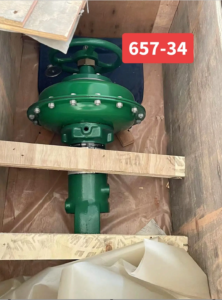
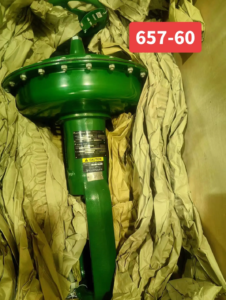
01 Perbedaan Teknis: Aksi dan Konfigurasi
Perbedaan utama antara kedua model tersebut terletak pada hubungan antara tekanan udara dan pergerakan batang.
-
Fisher 657 (Aktivitas Langsung): Dalam konfigurasi ini, peningkatan tekanan udara pada pelat diafragma atas mendorong batang aktuator ke bawah. Ketika tekanan udara berkurang, pegas internal memaksa batang tersebut ke atas.
-
Fisher 667 (Aksi Terbalik): Peningkatan tekanan udara pada pelat diafragma bawah mendorong batang aktuator ke atas melawan pegas. Ketika tekanan udara berkurang, pegas memaksa batang ke bawah.
| Fitur | Fisher 657 | Fisher 667 |
| Jenis Operasi | Akting Langsung | Aksi Terbalik |
| Gerakan Batang | Udara untuk menutup (biasanya) | Udara untuk membuka (biasanya) |
| Koneksi Udara | Bagian atas casing | Bagian bawah casing |
| Lokasi Mata Air | Di bawah diafragma | Di atas diafragma |
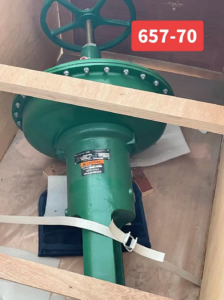
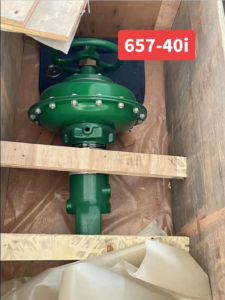
02 Prinsip Operasional dan Keseimbangan Kekuatan
Baik Fisher 657 maupun Fisher 667 menggunakan diafragma fleksibel dan pelat diafragma cetakan untuk mengubah energi pneumatik menjadi gerakan linier.
Gaya bersih yang tersedia untuk menggerakkan batang katup adalah selisih antara gaya pneumatik (tekanan dikalikan dengan luas diafragma) dan gaya pegas yang berlawanan. Para insinyur Xi'an Yunrui Trading Co., Ltd. (Yunrui) menekankan bahwa pemilihan laju pegas yang tepat sangat penting, karena hal itu menentukan pengaturan posisi katup dan kemampuan aktuator untuk mengatasi gesekan dudukan katup dan gaya fluida.
03 Prosedur Pemeliharaan dan Perbaikan
Perawatan rutin sangat penting untuk mencegah kebocoran udara dan memastikan posisi katup yang tepat. Xi'an Yunrui Trading Co., Ltd. (Yunrui) merekomendasikan langkah-langkah berikut untuk perawatan aktuator Fisher Anda.
Peringatan: Sebelum dibongkar, pastikan aktuator telah dilewati dan semua tekanan udara telah dikeluarkan. Pegas berada dalam tekanan yang signifikan; berhati-hatilah saat melonggarkan baut casing.
-
Inspeksi Diafragma: Periksa adanya retakan, pengerasan, atau sobekan. Diafragma yang rusak adalah penyebab utama kegagalan respons pada Fisher 657 dan Fisher 667.
-
Perawatan Segel Batang: Periksa konektor batang dan indikator pergerakan untuk tanda-tanda keausan atau ketidaksejajaran.
-
Verifikasi Pegas: Pastikan pegas tidak mengalami kelelahan atau korosi. Pegas yang rusak akan menggeser set bangku, yang menyebabkan akurasi kontrol yang buruk.
-
Pelumasan: Oleskan pelumas berkualitas tinggi pada batang aktuator dan ulir pengatur pegas untuk memastikan pergerakan yang lancar.
04 Mengapa Memilih Aktuator Fisher dari Xi'an Yunrui Trading Co., Ltd. (Yunrui)?
Sebagai pemasok khusus peralatan kontrol proses industri, Xi'an Yunrui Trading Co., Ltd. (Yunrui) menyediakan pengalaman pengadaan yang lancar untuk seri Fisher 657 dan Fisher 667.
-
Keaslian dan Kualitas: Kami menyediakan aktuator Emerson Fisher 100% asli dan kit perbaikan asli (termasuk diafragma, pegas, dan O-ring) untuk mempertahankan kinerja standar pabrik.
-
Konfigurasi Ahli: Tim teknis kami membantu dalam memilih ukuran aktuator yang tepat (misalnya, Ukuran 30 hingga Ukuran 70) dan rentang pegas yang sesuai dengan kebutuhan bodi katup Fisher Anda.
-
Inventaris dan Logistik Global: Xi'an Yunrui Trading Co., Ltd. (Yunrui) menyimpan stok komponen aktuator inti di gudang kami di Xi'an, memungkinkan pengiriman cepat ke lokasi proyek internasional, termasuk pengiriman DDP ke Timur Tengah dan Arab Saudi.
-
Dukungan Teknis: Selain penjualan, kami menawarkan panduan tentang penyesuaian set meja dan pemasangan positioner DVC6200 ke aktuator Fisher 657 atau Fisher 667 Anda.