








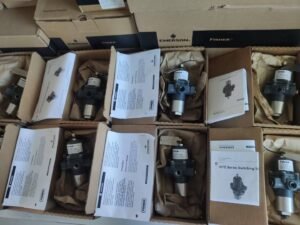
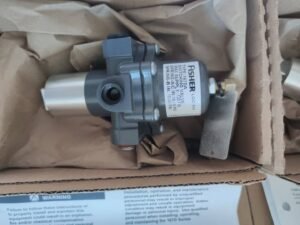
Dalam sistem kontrol pneumatik presisi tinggi, katup pengalih Fisher Tipe 167DA berperan sebagai pengambil keputusan penting, mengarahkan aliran udara berdasarkan sinyal tekanan tertentu. Mengingat perannya dalam sistem penghentian darurat (ESD) dan interlock proses, pemahaman mendalam tentang pemeliharaan teknis dan nuansa operasionalnya sangat penting bagi para insinyur lapangan. Xi'an Yunrui Trading Co., Ltd. (Yunrui) menyediakan panduan komprehensif ini untuk memastikan operasi industri global Anda mempertahankan waktu operasional dan keamanan maksimum.
Sebagai pemasok internasional yang terspesialisasi, Yunrui memastikan bahwa setiap unit Fisher 167DA asli didukung oleh komitmen teknis kami terhadap kualitas dan dukungan logistik di seluruh dunia.
1. Rekayasa Internal: Memahami Mekanisme Keseimbangan Gaya
Keandalan teknis 167DA berasal dari desainnya yang bekerja langsung dan seimbang gayanya. Tidak seperti katup solenoid yang kompleks, 167DA menggunakan diafragma dan rakitan pegas sederhana untuk mengatasi gesekan dan memberikan pengalihan yang konsisten.
-
Sensitivitas Diafragma: Luas permukaan diafragma 167DA yang besar memungkinkan diafragma tersebut merespons perubahan sinyal pneumatik yang halus. Sensitivitas ini memastikan bahwa peralihan terjadi tepat pada titik setel yang telah dikalibrasi, fitur yang sangat penting untuk kontrol sekuensial dalam operasi kilang minyak.
-
Desain Steker Seimbang: Steker katup internal diseimbangkan terhadap tekanan suplai. Ini berarti bahwa perubahan tekanan udara masukan tidak secara signifikan menggeser titik setel pengalihan, sehingga mempertahankan pengulangan yang tinggi di seluruh rentang operasi hingga 125 psig (8,6 bar).
-
Integritas Material: Yunrui menyediakan unit 167DA dalam berbagai material. Untuk lingkungan lepas pantai atau gas asam, kami merekomendasikan bodi Stainless Steel 316, yang mencegah retak akibat tegangan klorida dan korosi yang disebabkan oleh H2S.
2. Prosedur Pemeliharaan Komprehensif untuk Teknisi Lapangan
Untuk memperpanjang masa pakai Fisher 167DA melebihi peringkat siklus standarnya, Yunrui merekomendasikan protokol perawatan teknis berikut:
-
Inspeksi Tahunan: Bahkan di lingkungan udara bersih, elastomer dapat kehilangan elastisitas seiring waktu. Isolasi katup dan buang semua tekanan sebelum melepas baut penutup pegas untuk mengakses diafragma.
-
Pembersihan dan Pelumasan: Gunakan bahan pembersih non-residu untuk menghilangkan penumpukan parafin atau minyak dari dudukan katup. Oleskan lapisan tipis pelumas berbahan dasar silikon pada cincin-O. Hindari pelumas berbahan dasar petroleum karena dapat menyebabkan diafragma NBR standar membengkak.
-
Kalibrasi Pegas: Gunakan pengukur tekanan yang telah dikalibrasi pada port sensor. Putar sekrup penyetel searah jarum jam untuk meningkatkan tekanan pengalihan. Pastikan mur pengunci dikencangkan setelah penyetelan untuk mencegah pergeseran titik setel yang disebabkan oleh getaran.
3. Penyelesaian Masalah Teknis: Analisis Akar Penyebab
Berdasarkan data teknis dari instalasi global, Yunrui telah mengkategorikan kesalahan 167DA yang paling sering terjadi dan solusi tekniknya:
| Gejala | Analisis Akar Penyebab | Solusi Teknik |
| Udara Bocor dari Ventilasi Casing Pegas | Pecahnya diafragma disebabkan oleh lonjakan tekanan atau penuaan material. | Segera ganti diafragma menggunakan kit perbaikan asli Yunrui. |
| Setpoint Pengalihan Tidak Akurat | Kelelahan pada pegas kontrol atau gesekan pada rakitan batang. | Periksa pegas untuk melihat tanda-tanda korosi. Bersihkan dan lumasi kembali pemandu batang. |
| Kegagalan untuk Habis | Penumpukan es, uap air, atau serangga di lubang pembuangan. | Pasang saringan ventilasi atau arahkan katup sehingga lubang ventilasi mengarah ke bawah. |
| Bypass Internal (Kebocoran) | Dudukan katup tergores atau cincin-O yang mengeras pada sumbat katup. | Periksa dudukan katup untuk melihat adanya korosi. Ganti rakitan sumbat atau seluruh badan katup jika perlu. |
4. Praktik Terbaik Rekayasa untuk Lingkungan Ekstrem
Untuk proyek-proyek yang berlokasi di wilayah sub-arktik atau iklim maritim tropis, Yunrui menyarankan peningkatan teknis berikut:
-
Konfigurasi Suhu Rendah: Untuk suhu di bawah -20 derajat Celcius, pastikan 167DA dilengkapi dengan elastomer suhu rendah khusus untuk mencegah kerusakan akibat kerapuhan.
-
Pencegahan Korosi: Di lingkungan dengan salinitas tinggi, gunakan perangkat keras pemasangan dari baja tahan karat. Yunrui menyediakan unit 167DA dengan material yang sesuai dengan standar NACE untuk memastikan integritas struktural jangka panjang.
-
Filtrasi Hulu: Selalu pasang Seri Fisher 67C Filter regulator dipasang sebelum 167DA. Udara bersih dan kering mencegah gesekan dan keausan seal yang menjadi penyebab sebagian besar kegagalan katup.
5. Seleksi Global: Mencocokkan Seri 167D dengan Kebutuhan Anda
Modularitas dari Seri Fisher 167D Hal ini memungkinkan penyesuaian terhadap standar tekanan dan logika kontrol tertentu. Yunrui membantu klien global dalam memilih konfigurasi optimal melalui spesifikasi teknis berikut:
| Nomor Model | Karakteristik Fungsional | Aplikasi Teknik Dasar |
| Fisher 167DA | Sakelar 3 Arah Standar | Model yang paling umum untuk mengalihkan aliran atau mengeluarkan udara dari aktuator berdasarkan sinyal. |
| Fisher 167D | Dasar Dua Arah/Tiga Arah | Unit serbaguna yang digunakan untuk pengalihan udara standar dan pemantauan tekanan. |
| Fisher 167RD | Relief Penginderaan Jauh | Dilengkapi dengan port sensor terpisah untuk memungkinkan sinyal pneumatik jarak jauh memicu aksi pengalihan. |
| Fisher 167DAH | Versi Suhu Tinggi | Dilengkapi dengan elastomer khusus untuk menjaga integritas penyegelan di area proses dengan suhu tinggi. |
6. Yunrui: Mitra Global Anda untuk Keunggulan Teknis
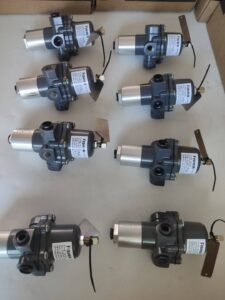
Xi'an Yunrui Trading Co., Ltd. (Yunrui) lebih dari sekadar pemasok; kami adalah sumber daya teknis bagi komunitas industri global. Kami menyediakan produk Fisher asli 100%, memastikan bahwa semua toleransi teknis dan sertifikasi material memenuhi spesifikasi asli Emerson. Dari pusat logistik kami di Xi'an, kami menyediakan pengiriman katup dan perlengkapan perbaikan yang dipercepat ke Timur Tengah, Asia Tenggara, Eropa, dan Amerika.
Untuk manual teknis terperinci, kit perbaikan asli, atau penawaran resmi untuk Fisher 167DA, hubungi Yunrui hari ini. Kami memastikan sistem pneumatik Anda beroperasi dengan presisi sesuai desainnya.