




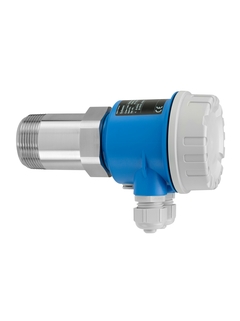
Karakteristik Teknis dan Keunggulan Proses
-
Pengukuran Tanpa Kontak: FQR56 dapat mendeteksi material dari luar wadah atau melalui jendela non-konduktif. Hal ini menghilangkan kebutuhan akan komponen yang dibasahi proses, sehingga secara drastis mengurangi keausan pada aplikasi abrasif seperti kerikil atau pasir.
-
Jangkauan Pengukuran Luas: Dengan jangkauan maksimum 100 meter (328 kaki), penghalang ini cocok untuk memantau tumpukan besar, sabuk konveyor lebar, atau silo penyimpanan yang sangat besar.
-
Ketahanan Mekanis: Perangkat ini memiliki diafragma keramik yang dibasahi proses (opsional) untuk daya tahan yang sangat tinggi. Rumah elektronik tersebut dapat diputar 360°, memungkinkan penyelarasan sempurna lubang masuk kabel bahkan setelah sambungan proses dikencangkan.
-
Indikator Kekuatan Sinyal Visual: Sistem ini memberikan indikasi yang jelas tentang kekuatan sinyal pada penerima, sehingga memudahkan penyelarasan pemancar dan penerima selama pemasangan dan untuk memantau potensi penurunan kualitas sinyal dari waktu ke waktu.
-
Kompatibilitas Mundur: FQR56 secara mekanis kompatibel dengan seri FQR50 sebelumnya. Hal ini memungkinkan penggantian "langsung pasang" yang sederhana menggunakan flensa adaptor, braket, dan kaca pengintai yang sudah ada, sehingga meminimalkan biaya pemasangan ulang.
Matriks Spesifikasi Teknis
| Fitur | Detail Teknis |
| Prinsip Pengukuran | Penghalang Gelombang Mikro (Pemancar) |
| Interaksi | Cocok dipasangkan dengan Receiver Soliwave FDR56 |
| Rentang Pengukuran | Maks. 100 m (328 kaki) |
| Suhu Sekitar | -40 hingga +70 °C (-40 hingga +158 °F) |
| Koneksi Proses | Ulir (Standar atau melalui Flensa Adaptor) |
| Persetujuan Keselamatan | Perlindungan Ledakan Internasional (ATEX, dll.) |
| Indikasi Sinyal | LED indikator kekuatan sinyal pada penerima |
Aplikasi Utama
-
Deteksi Padatan Massal: Pengalihan yang andal untuk serpihan kayu, serbuk gergaji, tepung, plester, semen, dan abu.
-
Penghitungan dan Pengendalian Objek: Digunakan pada jalur konveyor untuk menghitung kantong, kotak, atau potongan kardus besar saat melewati pancaran gelombang mikro.
-
Pemantauan Jatuh Bebas: Mendeteksi aliran material di dalam lubang jatuh atau saluran untuk mengidentifikasi penyumbatan atau memastikan pengeluaran material.
-
Penginderaan Lingkungan Ekstrem: Ideal untuk lingkungan yang sangat berdebu atau lembap di mana sensor ultrasonik atau optik akan gagal karena interferensi sinyal.
-
Kontrol Level Non-Invasif: Memantau level dalam tangki plastik atau wadah berlapis kaca tanpa mengebor lubang atau memasang probe internal.