





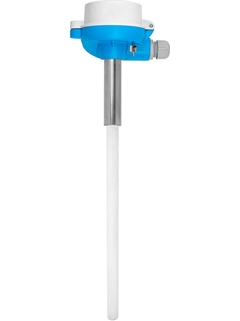
Keunggulan Teknis Kritis
-
Penghalang Keramik Ganda: TAF12D menggunakan termowell keramik luar dan selubung keramik dalam. Konstruksi "tabung di dalam tabung" ini memberikan perlindungan superior terhadap difusi gas dan guncangan termal, yang merupakan penyebab utama kegagalan termokopel logam mulia.
-
Kemampuan Suhu Ekstrem: Dirancang untuk proses yang mencapai 1.700°C, TAF12D mendukung termokopel logam mulia Tipe R, S, dan B. Sensor-sensor ini sangat penting untuk menjaga akurasi pada suhu di mana sensor industri standar akan kehilangan integritas strukturalnya.
-
Perlindungan Non-Pori: Material keramik yang digunakan bersifat non-pori (seperti Alsint C799), sehingga menciptakan lingkungan kedap gas. Hal ini mencegah gas proses "meracuni" kawat platinum dan rhodium, yang memastikan bahwa pengukuran tetap stabil dalam jangka panjang tanpa pergeseran.
-
Komponen Modular dan Dapat Diganti: Seperti anggota keluarga FlameLine lainnya, TAF12D bersifat modular. Tabung keramik atau sisipan termokopel individual dapat diganti seiring dengan keausannya, sehingga memungkinkan optimalisasi biaya siklus hidup dan mengurangi kebutuhan untuk mengganti seluruh instrumen.
-
Desain Industri Khusus: Rakitan ini secara khusus dioptimalkan untuk aplikasi dengan konsentrasi kontaminan tinggi atau siklus suhu cepat, seperti yang ditemukan dalam produksi porselen dan kaca primer.
-
Opsi Redundansi: TAF12D dapat mengakomodasi sisipan termokopel tunggal atau ganda, menyediakan pengukuran sekunder untuk verifikasi keselamatan atau redundansi sistem kontrol.
Matriks Kinerja Teknis
| Fitur | Detail |
| Suhu Proses Maksimum | 1.700°C (3.092°F) |
| Jenis Sensor | Termokopel Tipe R, S, atau B (Logam Mulia) |
| Desain Tabung Pelindung | Keramik Ganda (Termostat luar + Selubung dalam) |
| Bahan Keramik | Bab 610 (Pythagoras), Bab 799 (Alsint) |
| Menyisipkan | TC tunggal atau ganda dengan isolator keramik |
| Kepala Koneksi | Aluminium atau Baja Tahan Karat (misalnya, Formulir DIN A/B) |
Aplikasi Utama
-
Industri Kaca: Memantau panas yang sangat tinggi di tangki peleburan kaca dan tungku primer di mana uap alkali sangat korosif terhadap sensor tabung tunggal.
-
Pembakaran Keramik dan Porselen: Melacak proses pembakaran dalam tungku di mana ketepatan suhu sangat penting untuk integritas struktural dan hasil akhir produk.
-
Brickworks: Menyediakan pengukuran yang tahan lama di lingkungan yang keras, berdebu, dan bersuhu tinggi dalam proses pembuatan batu bata.
-
Penelitian Suhu Tinggi: Digunakan dalam perangkat uji dan laboratorium khusus yang membutuhkan pengukuran stabil pada suhu 1.700°C.
-
Proses Peleburan: Mengukur suhu dalam produksi logam primer di mana penghalang ganda mencegah degradasi cepat sensor logam mulia yang mahal.