





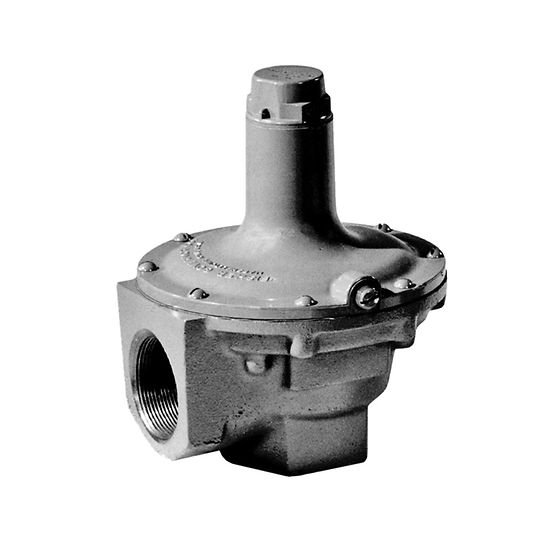
Manfaat dan Keunggulan Utama
-
Katup Pelepas Tekanan Tipe Throttling: Katup terbuka secara bertahap saat tekanan melebihi titik setel, memberikan aksi pelepasan yang halus yang meminimalkan risiko lonjakan tekanan yang merusak pada sistem hilir.
-
Laju Aliran Tinggi: Meskipun ukurannya kompak, katup-katup ini dirancang untuk menangani kapasitas aliran yang signifikan, memastikan bahwa katup tersebut dapat membuang volume yang cukup untuk menjaga sistem tetap aman selama peristiwa tekanan berlebih.
-
Sensitivitas Tekanan Rendah yang Unggul: Dengan area diafragma yang besar, Seri 289 menawarkan sensitivitas dan akurasi luar biasa untuk pengaturan tekanan sangat rendah, di mana katup yang lebih kecil mungkin kesulitan untuk merespons.
-
Keandalan Melalui Kesederhanaan: Dengan desain pegas yang sederhana dan komponen bergerak minimal, Seri 289 memberikan kinerja yang konsisten dengan keandalan tinggi dan persyaratan perawatan yang rendah.
-
Desain Ringkas: Ukuran fisik yang kecil memungkinkan pemasangan yang mudah di lorong pipa yang sempit, lubang regulator, atau pada peralatan yang dipasang di atas rangka.
-
Perlindungan Sistem: Bertindak sebagai pengawas yang dapat diandalkan untuk regulator hilir, memastikan bahwa kegagalan regulator atau lonjakan eksternal tidak mengakibatkan kondisi tekanan berlebih yang berbahaya.
Properti Teknis
-
Ukuran Badan: Tersedia dalam berbagai ukuran, umumnya berkisar antara 3/4 inci hingga 2 inci (DN 20 hingga 50).
-
Sambungan Ujung: Tersedia dalam konfigurasi ulir NPT untuk integrasi mudah ke dalam perpipaan standar.
-
Pengaturan Tekanan: Dirancang khusus untuk pelepasan tekanan rendah, seringkali berkisar dari inci kolom air hingga beberapa psi.
-
Konstruksi Material: Biasanya memiliki bodi aluminium yang tahan lama dengan berbagai pilihan elastomer untuk diafragma dan dudukan untuk memastikan kompatibilitas dengan gas alam, udara, dan propana.
-
Penunjukan Non-ASME: Ini adalah katup pelepas tekanan yang dirancang untuk stabilisasi proses; katup ini tidak dimaksudkan untuk digunakan sebagai katup pelepas pengaman berkode ASME.
Bidang Aplikasi
Seri 289 terutama digunakan dalam sistem gas bertekanan rendah untuk mencegah peralatan hilir terpapar tekanan yang lebih tinggi dari normal. Produk ini merupakan andalan dalam distribusi gas kota dan sistem pemanas komersial.
Industri Primer dan Pemanfaatannya:
-
Distribusi Gas Alam: Stasiun pengatur distrik dan perumahan sebagai perlindungan tekanan berlebih sekunder.
-
Gas Bahan Bakar Industri: Melindungi pembakar, tungku, dan oven dari lonjakan tekanan pada saluran bahan bakar.
-
Lembaga Komersial: Bantuan untuk sistem gas di sekolah, rumah sakit, dan pusat perbelanjaan.
-
Penyelubungan Tangki: Digunakan sebagai katup pelepas atau ventilasi sederhana untuk tangki penyimpanan bertekanan rendah.